Poppy
A Bold Choice for Craft Fair Success
As an experienced embroidery designer, I’ve seen countless machine embroidery designs come and go. Poppy stands out not just for its visual appeal but for its versatility and practicality in a craft fair setting. The design is clean, elegant, and has a subtle floral charm that feels both modern and timeless. It’s the kind of design that draws the eye from across the booth and invites closer inspection.
The First Impression: Soft Elegance with a Touch of Farmhouse
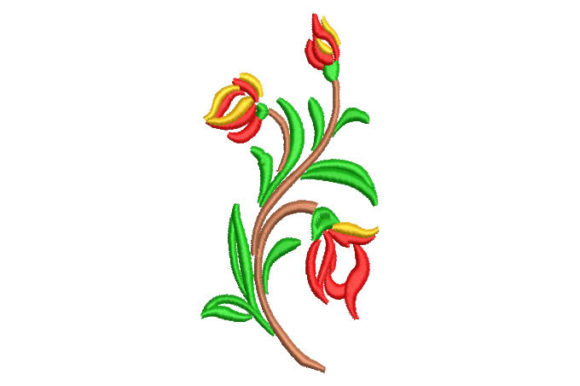
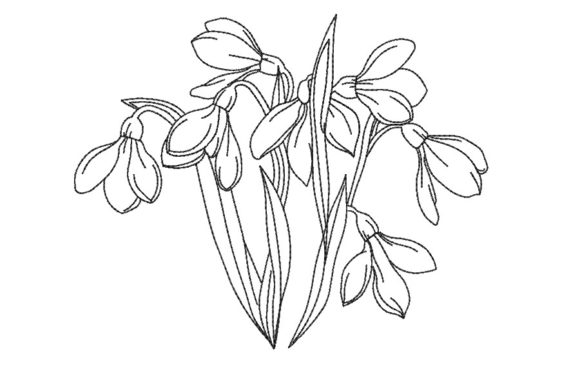
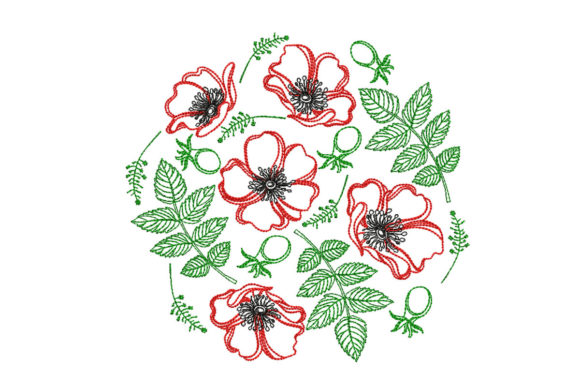
Poppy feels like a blend of soft elegance and farmhouse simplicity. The flowers are rendered with a delicate balance of detail and minimalism, making them approachable yet refined. This makes it a great fit for a wide range of products, from casual to more formal items. It doesn’t scream for attention but rather invites it with its understated beauty.
Where Poppy Shines: Product Versatility
Poppy works exceptionally well on a variety of craft fair products. Tote bags, aprons, and tea towels are prime candidates because they offer ample space for the design to breathe and shine. Its presence on these items adds a touch of personality without overwhelming the product. For smaller items like embroidered patches or fabric pouches, Poppy becomes a focal point that elevates the handmade quality.
When applied to caps or pillow covers, the design maintains its clarity and charm. Even on curved surfaces like caps, the layout ensures that the flowers remain centered and visually balanced. This adaptability is key for a small shop product looking to maximize display impact.
Visual Appeal and Customer Engagement
Poppy enhances visual appeal by adding a natural, organic element to any surface. Its presence on a handmade product increases perceived value, especially when paired with high-quality fabric and thread colors. Customers are drawn to the idea of owning something unique and handcrafted, and Poppy delivers on that promise.
For Etsy sellers and digital embroidery file creators, Poppy offers a strong foundation for printable mockups and Etsy listings. Its clarity at larger sizes means it photographs well online, which is crucial for attracting buyers. The design also lends itself well to brand consistency, allowing for easy repetition across multiple products.
Practical Production Considerations
Before jumping into production, there are a few practical considerations to keep in mind. Poppy’s stitch density is moderate, which makes it suitable for most hoop sizes. However, it’s important to test the design on scrap fabric to ensure it performs as expected. Thread contrast is essential—opting for vibrant threads against neutral fabrics will make the design pop.
Stabilizer choice is another key factor. Poppy’s design includes some dense stitch areas, so using a quality stabilizer can prevent puckering and ensure a smooth finish. For textured fabrics like cotton or linen, the design holds up well, maintaining its clarity even on rougher surfaces.
Dark fabrics may require additional care. While Poppy looks stunning on light-colored materials, it might lose some definition on darker backgrounds. Testing on different fabric types is always recommended before mass production.
Selling Points and Market Fit
Poppy is ideal for small shop products and commercial embroidery alike. It’s a versatile design that can be used as a small accent or a large focal point depending on the product. This flexibility allows for creative product variations that can cater to different customer preferences.
For booth samples and market bags, Poppy adds a professional touch that speaks to both creativity and craftsmanship. Its presence on these items helps build brand recognition and trust among customers. It’s the kind of design that feels premium without being over-the-top.
Design Notes for Embroidery Designers
As an embroidery designer, I recommend creating at least one real mockup before committing to batch production. This allows you to assess how the design interacts with the final product and fabric texture. Checking spacing and confirming hoop size are also critical steps to avoid issues during embroidery.
For those selling finished products, confirm commercial licensing details before offering Poppy as a downloadable embroidery file. Ensuring proper rights helps protect both the designer and the seller. Additionally, reviewing fabric color compatibility is essential to maintain the intended aesthetic.
Final Thoughts on Poppy
Poppy is more than just a machine embroidery design—it’s a statement piece that brings warmth and character to any handmade product. Whether it’s on a tote bag, an apron, or a patch, it adds value and visual interest. With careful planning and attention to detail, Poppy can become a standout item in your craft fair booth, helping you connect with customers and stand out in a competitive market.